

Everyone learning AI right now is stuck in the same loop.
Open a new tab. Watch a 12-minute video. Feel smart for an hour. Forget it by Thursday.
Buy another course. Never finish it. Buy the next one anyway.
That’s not learning. That’s collecting.
The people who actually get good at this read books. Not because books are trendy - because a book forces the kind of slow thinking a 12-minute video can’t fake.
I spent the last few weeks pulling from every serious AI reading list I could find - the ones execs pass around, the ones engineers pass around - and narrowed it down to the 15 that earn a spot on your desk in 2026.
Nothing here is filler. Every one of these changes how you build, not just how you talk about building.
By the end of this issue, you will get a Notion-ready AI Engineer Reading Tracker - all 15 books’ links, pre-loaded reading order, time estimates, and a “Claude prompt” column you paste in before you start each one. No setup. Open it, start reading, start tracking.
It’s waiting for you after this issue. Keep reading.
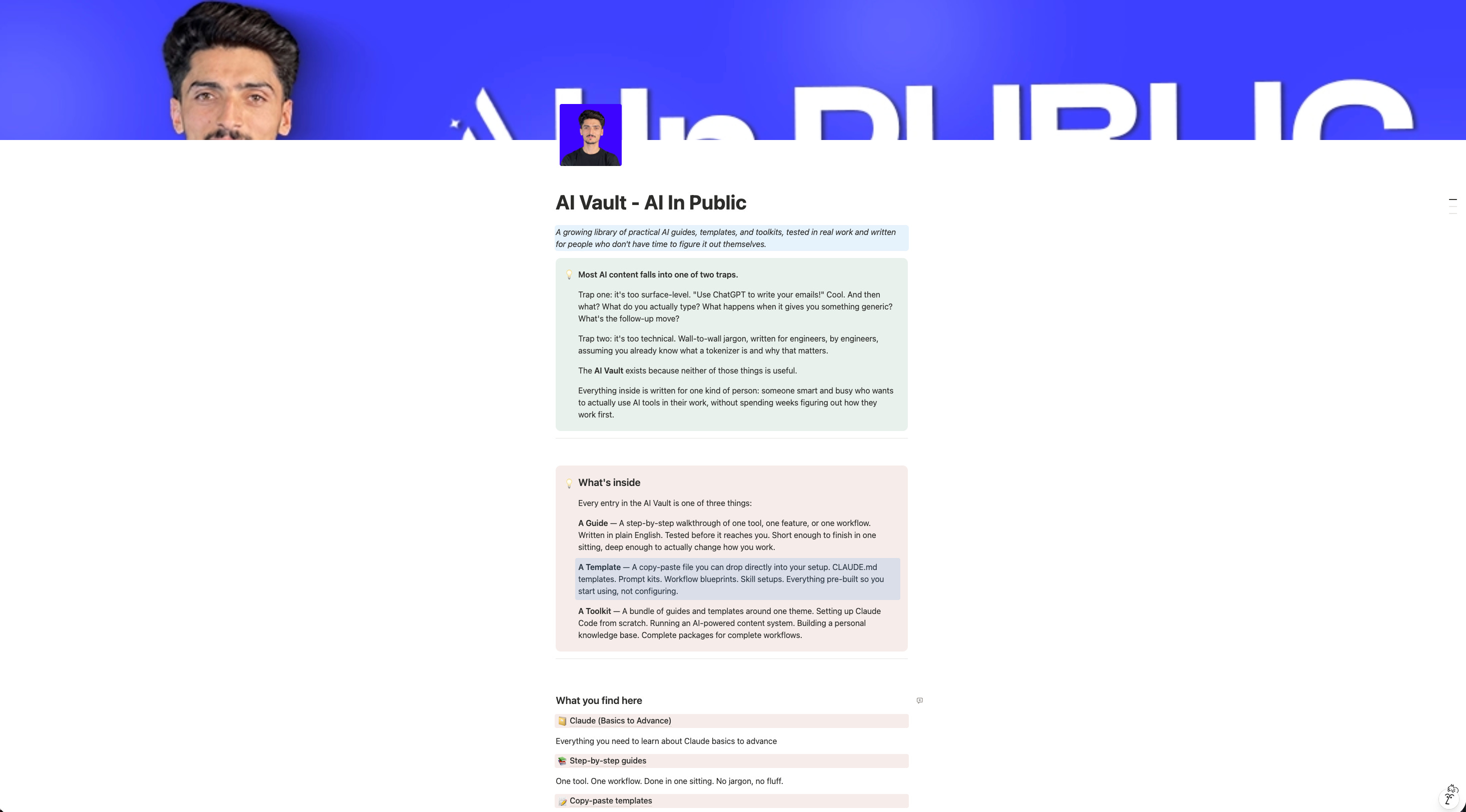
THE AI VAULT IS OPEN
Every guide, kit, template, and prompt library I’ve built - in one place. Organized. Searchable. Growing every week. Here’s how access works:
Paid Members: Get one specific guide related to the newsletter from the Vault every issue. Yours for a week.
Founding Members: Full access to everything inside the Vault. Every guide. Every kit. Every drop. Forever.
We’re 2-3 months away from 10K+ subscribers. The moment we hit that number, we’re launching a private free community - exclusively for AI In Public readers.
Why I almost gave up on books entirely
Eight months ago, I decided books were a waste of time for AI work.
The field moves weekly.
A book takes a year to write and edit.
By the time it ships, the model it references is two versions old.
I was half right. Books about tools age fast. Books about how systems are built don’t.
The mistake I was making: treating every AI book like a tutorial I needed to finish cover to cover, in order, taking notes by hand.
That’s not how anyone retains a 300-page technical book.
I’d read 40 pages, get pulled into client work, come back three weeks later having forgotten chapter one.
What changed? It wasn’t a new book. It was a new way of reading them - with Claude doing the priming and the extraction, so my actual reading time went toward understanding, not re-reading.
Who this list is actually for
Quick gut check before you scroll further, because half of book lists like this waste your time recommending things you don’t need.
An AI Engineer in 2026 is not a researcher. Not someone training models from scratch. It’s someone who takes existing models - Claude, GPT, Gemini - and builds real products on top of them using prompting, RAG, fine-tuning, and agents. That’s closer to software engineering than it is to a PhD thesis.
If that’s the role you’re building toward - or already in - these 15 books are sorted into the order that gets you there fastest.
The old way vs the new way of reading technical books
Old way: Buy the book. Read linearly. Hope something sticks. Move to the next book with zero connection to the last one.
New way: Prime the chapter with Claude before you open the book. Read with Claude open in a second tab to translate anything confusing in real time. Close the book and force the ideas into a 30-day action plan before you let yourself start the next one.
This one change - closing every book with an action plan instead of just a “nice read” - is what separates people who finish 15 books and build nothing from people who finish 5 and ship constantly.
The 15 books, in the order I’d actually read them
LAYER 1 - FOUNDATION
Book 1: Automate the Boring Stuff with Python by Al Sweigart
What it is: The best “learn Python” book ever written, made permanently free by the author himself. From page one, you are building scripts that rename files, scrape websites, and send emails automatically - not memorizing syntax in a vacuum.
What it gives you: Python fluency through immediate real-world feedback. You write 10 lines of code. Something happens in the world. You want to keep going. That loop is what most beginner books never create.
Who it’s for: Anyone who can’t write Python yet. If you already code, skip it.
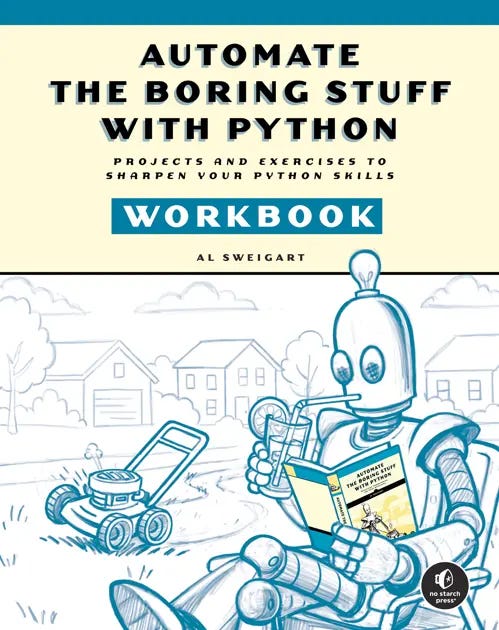
🔗 Automate the Boring Stuff with Python
Book 2: Advanced Python Constructs Zbigniew Jędrzejewski-Szmek
What it is: A free, community-maintained online textbook covering the full Python scientific stack - NumPy, SciPy, matplotlib, and scikit-learn - updated continuously and readable directly in the browser with no signup.
What it gives you: The same practical data stack as the VanderPlas book. Load data. Clean it. Visualize it. Run basic ML on it. Every skill you need before you build anything with AI. The chapters are shorter and more modular, so you can move faster through the parts you already know.
Who it’s for: Anyone who knows Python basics but hasn’t worked with data yet. The bridge from “I can code” to “I can work with AI data.”

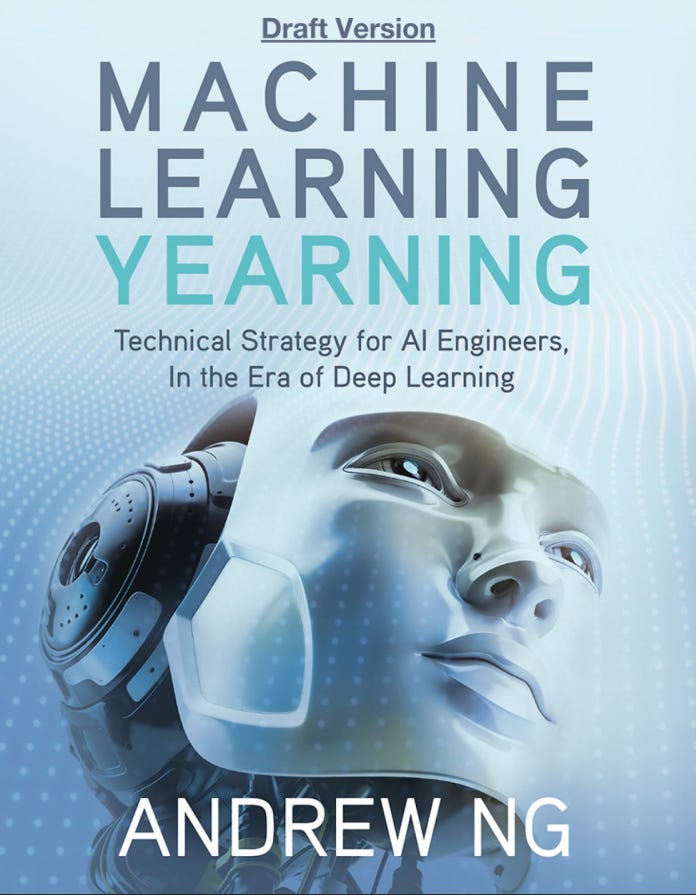
Book 3: Machine Learning Yearning Andrew Ng
What it is: A short, dense strategy guide for building ML systems - written by one of the most respected figures in AI and distributed free by deeplearning.ai.
What it gives you: The strategic thinking layer most technical books skip. How to set up dev and test sets. How to diagnose why a model isn’t improving. How to prioritize what to fix first. This is the book that teaches you to think like a senior ML practitioner, not just a junior one.
Who it’s for: Anyone about to build their first ML-powered feature and wanting to avoid the most common six-month detours.
LAYER 2 - CORE
This is where AI Engineers are actually built.
Book 4: Mathematics for Machine Learning Deisenroth, Faisal & Ong
What it is: The math textbook written specifically for ML practitioners - freely available from Cambridge University Press. Covers linear algebra, calculus, probability, and statistics through the lens of how they’re actually used in ML, not pure mathematics.
What it gives you: The mathematical foundation that makes reading every other book on this list twice as fast. You don’t need to go deep - you need enough to stop skipping the equations.
Who it’s for: Anyone who finished Layer 1 and wants to understand what’s actually happening inside the models they’re building on.
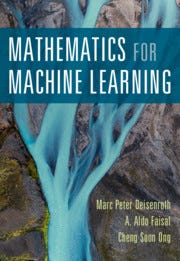
🔗 Mathematics for Machine Learning
Book 5: An Introduction to Statistical Learning James, Witten, Hastie & Tibshirani
What it is: The most widely used ML textbook in university courses worldwide - free PDF provided directly by the authors. Covers regression, classification, resampling, trees, SVMs, and more with R and Python labs.
What it gives you: A clean conceptual model of how supervised learning actually works before deep learning entered the picture. Understanding the classical methods makes the deep learning methods make more sense.
Who it’s for: Anyone who wants to understand ML at a level that survives the next five years of hype cycles.
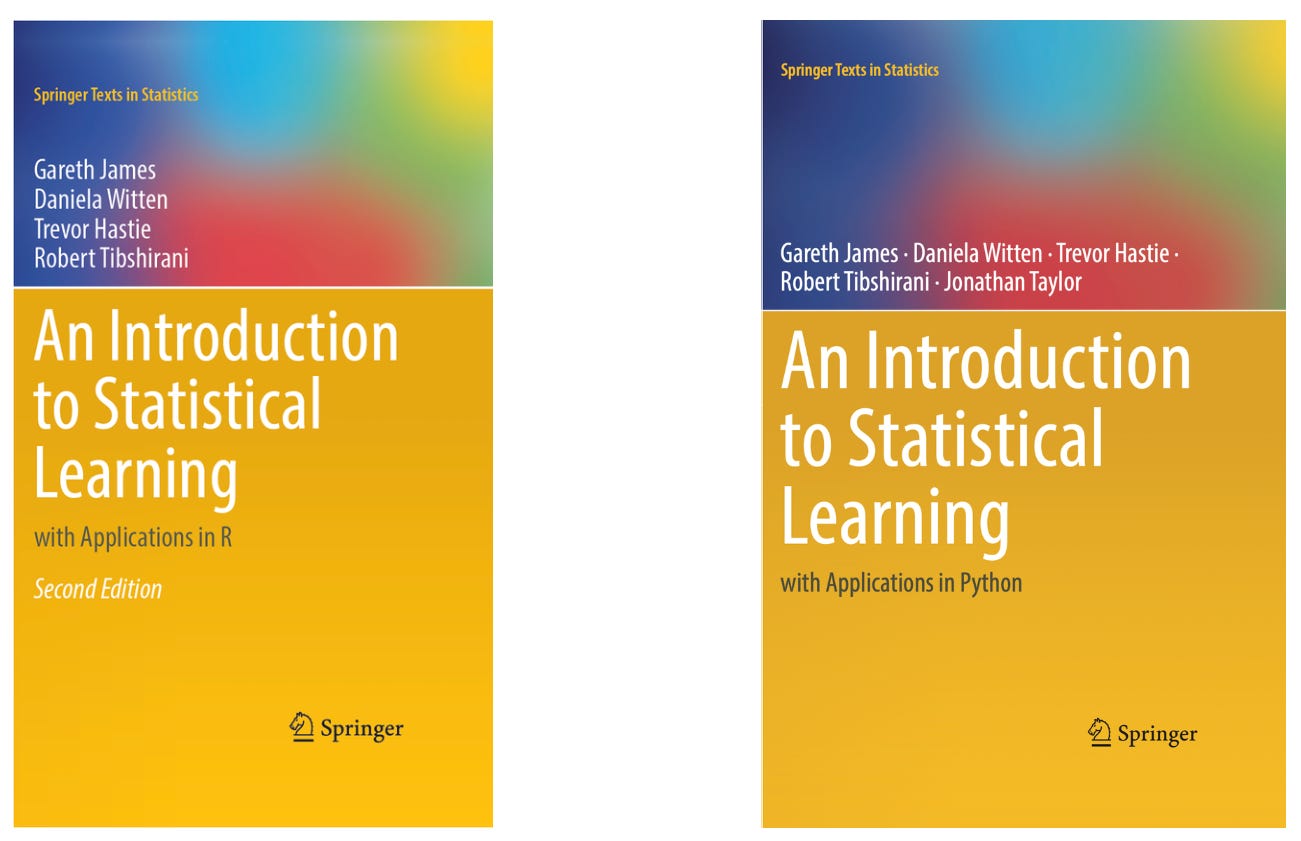
🔗 An Introduction to Statistical Learning
Book 6: The Little Book of Deep Learning François Fleuret
What it is: A 200-page free PDF from a professor at the University of Geneva. Dense, precise, and fast. Covers tensors, gradient descent, backpropagation, transformers, and attention in a fraction of the time of any other deep learning book.
What it gives you: The fastest possible path to understanding how neural networks work at a mathematical level - without drowning in a 700-page textbook. Read this in a week and the next two books become significantly easier.
Who it’s for: Anyone who wants the core of deep learning without the padding.
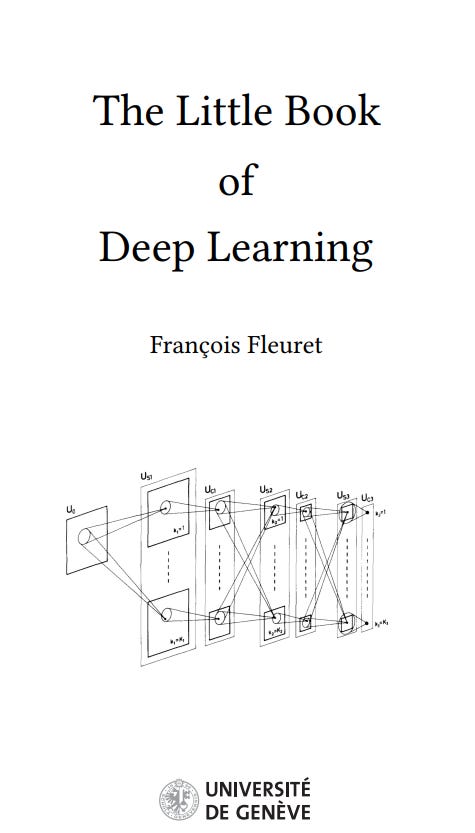
🔗 The Little Book of Deep Learning
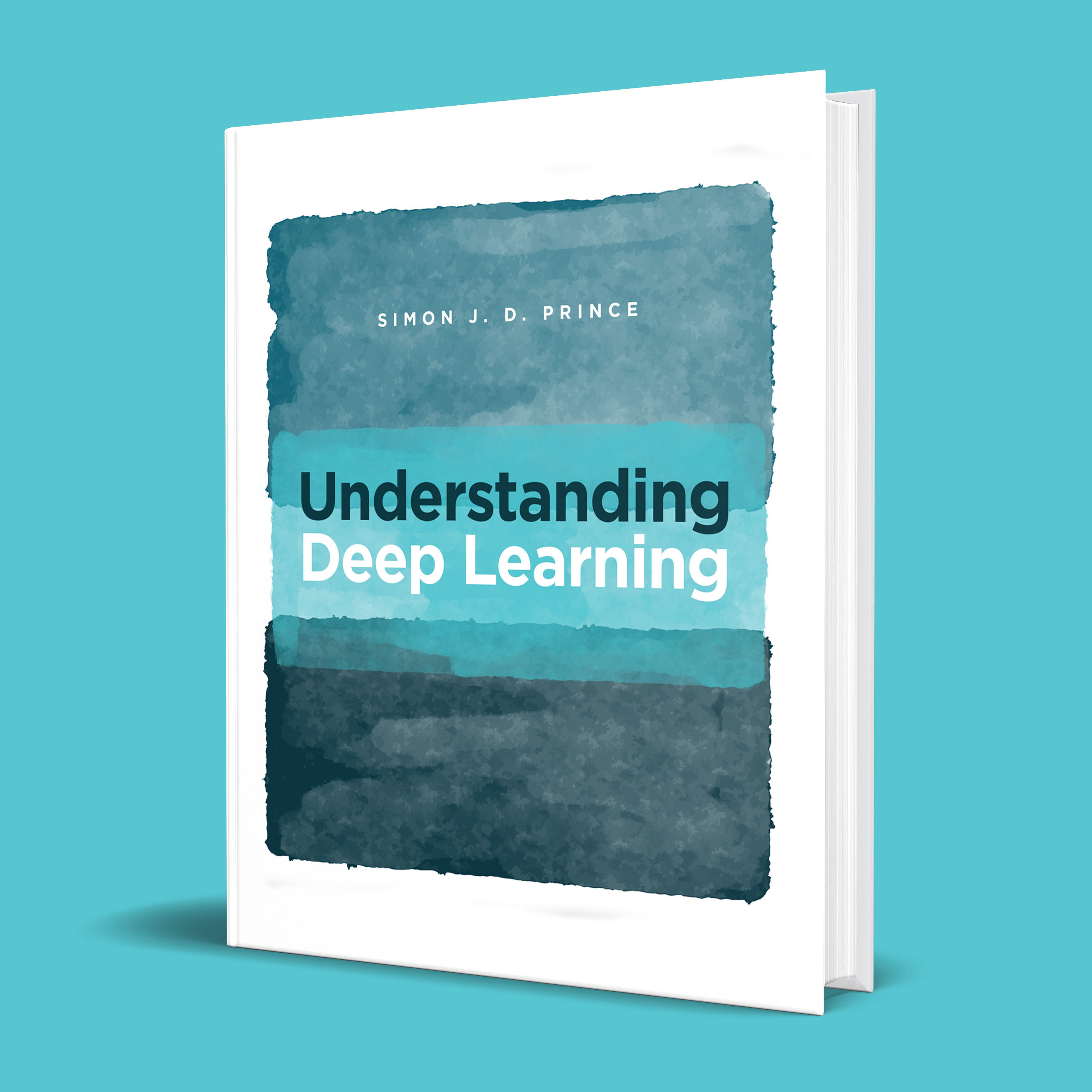
Book 7: Understanding Deep Learning Simon Prince
What it is: A 2024 textbook released free online by the author. One of the most visually clear deep learning books available. Covers supervised learning, neural networks, transformers, diffusion models, and reinforcement learning from first principles.
What it gives you: Visual intuition for deep learning that most technical books don’t bother to build. If Book 6 gave you the equations, this book gives you the pictures that make the equations stick.
Who it’s for: Anyone moving from “I know Python and basic math” to “I understand what deep learning actually does.”
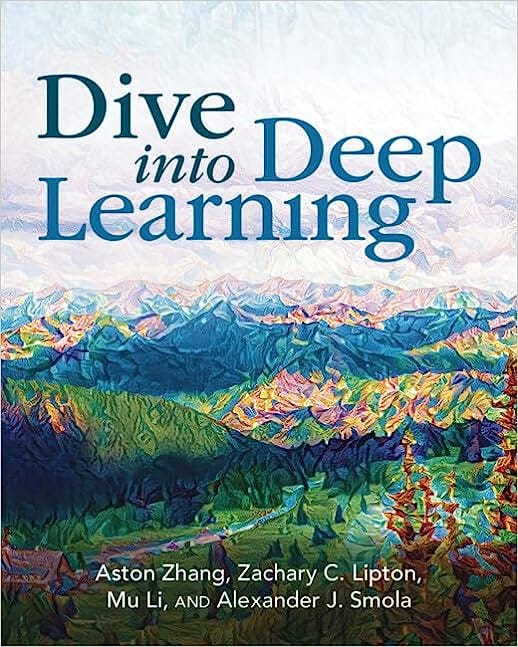
Book 8: Dive into Deep Learning Zhang, Lipton, Li & Smola
What it is: An interactive textbook from Amazon scientists - used at 300+ universities across 55 countries, entirely free online. Every concept comes with runnable code in PyTorch, TensorFlow, or JAX.
What it gives you: The combination most books don’t manage: theory and working code in the same place. Transformers, attention, BERT, GPT - all explained and implemented. Read it with a Colab notebook open, and you’ll build things as you learn.
Who it’s for: Engineers who learn by doing. If you’ve read Books 6 and 7, this is where you run the concepts.
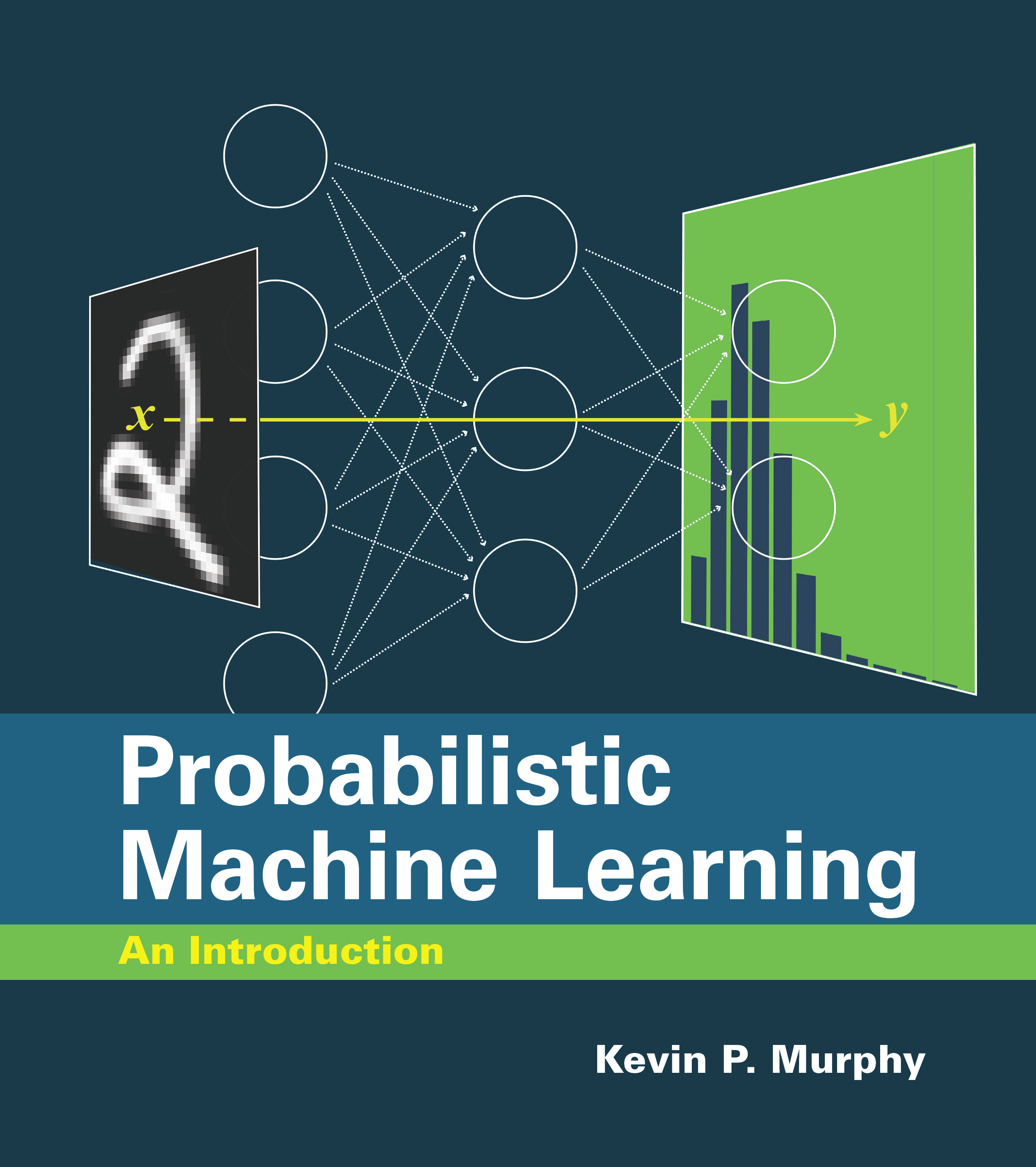
Book 9: Probabilistic Machine Learning: An Introduction, Kevin Murphy
What it is: A graduate-level textbook from a Google Brain researcher - the full PDF made freely available by the author. Covers probabilistic thinking, Bayesian methods, and uncertainty quantification across the full ML stack.
What it gives you: The statistical thinking layer that separates engineers who build systems that know what they don’t know from engineers who build systems that are confidently wrong. Uncertainty quantification is not optional in production AI.
Who it’s for: Engineers who have built models and want to understand why they fail in specific ways - and how to design systems that handle uncertainty instead of hiding it.
🔗 Probabilistic Machine Learning: An Introduction
Share this and get rewarded
Go to AI In Public → scroll to the Leaderboard section → copy your referral link → share it with anyone.
Every signup through your link moves you up the board and unlocks real rewards.
At the end of every month, we check the leaderboard.
The top 3 get our best guide - DMed directly, no opt-in required.
LAYER 3 - ADVANCED
Production systems, real applications, and the questions that keep you from shipping something dangerous.
Book 10: Foundations of Large Language Models Tong Xiao & Jingbo Zhu
What it is: A 2025 book released free under a Creative Commons license by two NLP professors at Northeastern University. Covers exactly what AI Engineers building on LLMs need to understand - pre-training, generative models, prompting techniques, alignment methods, and inference. Click the link and the PDF downloads directly. No account, no paywall.
What it gives you: A clear, structured explanation of how LLMs actually work under the hood - from how they’re pre-trained to how prompting and alignment shape their behavior. After Layer 2, this is the book that connects “I understand deep learning” to “I understand what GPT and Claude are actually doing.”
Who it’s for: Anyone building products on top of LLMs who wants to stop treating the model as a black box and start understanding what’s happening beneath the API call.
🔗 Foundations of Large Language Models
Book 11: Speech and Language Processing Dan Jurafsky & James Martin
What it is: The standard NLP textbook from Stanford - free draft chapters updated continuously by the authors. Covers language models, transformers, BERT, parsing, and dialogue systems.
What it gives you: A deep understanding of how language models are actually built - from n-grams to GPT. If you’re building products on top of LLMs, this is the book that explains what’s happening beneath the API call.
Who it’s for: Anyone building LLM-powered products who wants to stop treating language models as black boxes.
🔗 Speech and Language Processing
Book 12: Machine Learning Systems Vijay Janapa Reddi et al.
What it is: A free open-access textbook on the engineering of intelligent systems at scale. Covers efficiency, deployment, hardware, and the gap between a model that works in a notebook and a model that serves millions of users.
What it gives you: Systems-level thinking for AI. The part most ML books skip entirely: how do you actually run this in production without it falling over? This book answers that in full.
Who it’s for: Engineers moving from “I built a model” to “I run a model in production.”
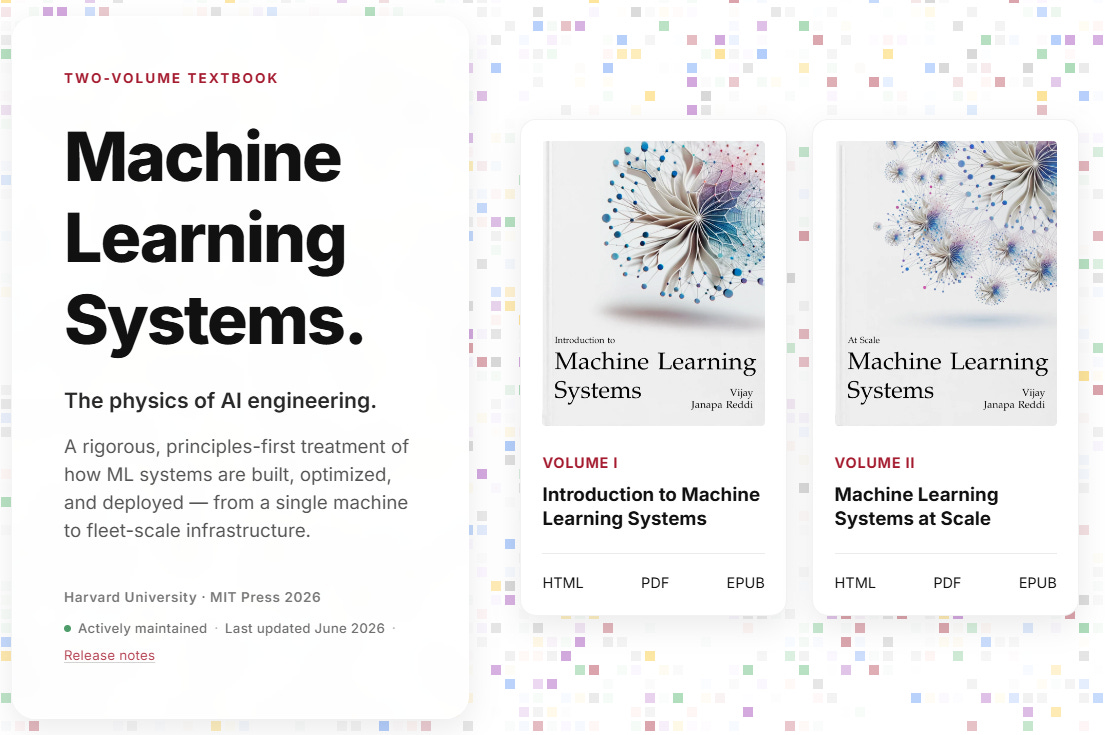
Book 13: Pattern Recognition and Machine Learning Christopher Bishop
What it is: The definitive Bayesian ML textbook - released permanently free as a PDF by Microsoft Research and the author. A classic that researchers and senior engineers still reference constantly.
What it gives you: The probabilistic foundations of modern machine learning in full. After reading Murphy’s book (Book 9) at an introductory level, this is the deep dive. Dense, rigorous, and worth it.
Who it’s for: Engineers who want to understand ML at the level that lets them read research papers without a dictionary.
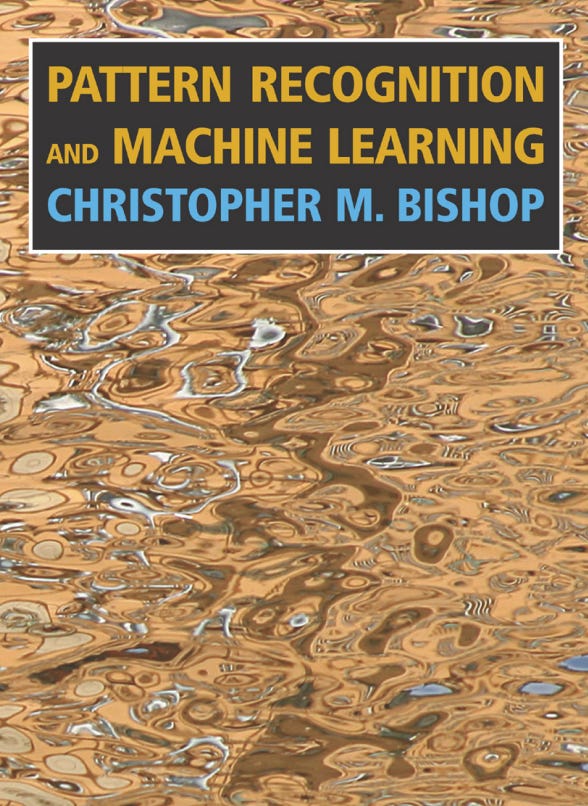
🔗 Pattern Recognition and Machine Learning
Book 14: The Elements of Statistical Learning Hastie, Tibshirani & Friedman
What it is: A comprehensive graduate-level treatment of statistical learning - free PDF provided directly by the Stanford authors. More rigorous than Book 5 (An Introduction to Statistical Learning), which was explicitly written as a gentler companion to this one.
What it gives you: The mathematical depth behind the ML methods you use every day. This is the book senior ML engineers have read, and junior ones haven’t - and the difference shows up in production.
Who it’s for: Anyone who wants to move from applying ML methods to actually understanding them.
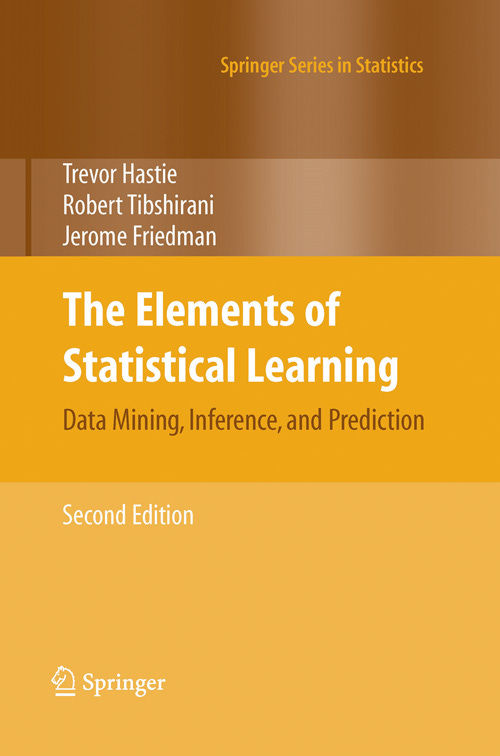
🔗 The Elements of Statistical Learning
Book 15: Reinforcement Learning: An Introduction Richard Sutton & Andrew Barto
What it is: The definitive textbook on reinforcement learning, free online from the authors. This is the book behind every RL system from AlphaGo to RLHF - the technique used to align modern LLMs like GPT and Claude.
What it gives you: A first-principles understanding of how AI systems learn from rewards - and why they so often learn the wrong thing. If you’ve ever wondered how ChatGPT was trained not to say harmful things, the answer is in this book.
Who it’s for: Engineers who want to understand how modern LLMs are fine-tuned and aligned - and why alignment is harder than it sounds.
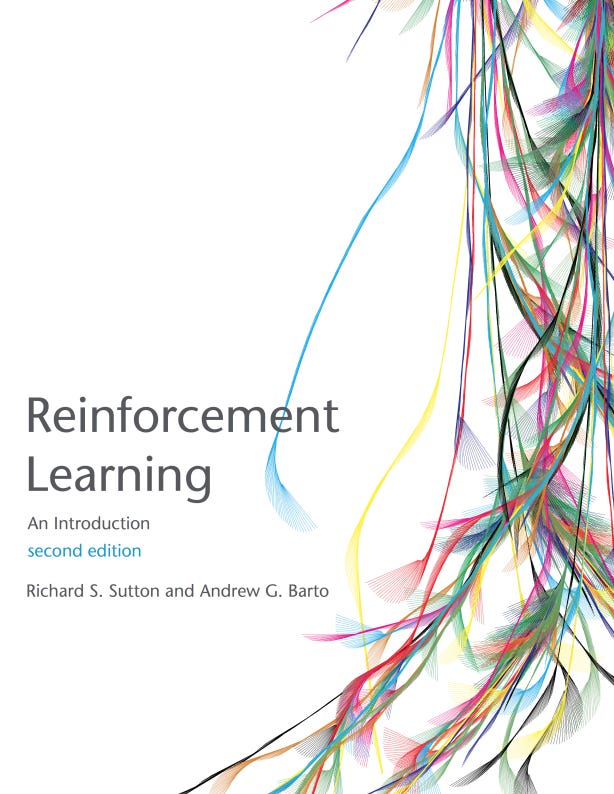
🔗 Reinforcement Learning: An Introduction
Slow down here
I want to push back on something before you screenshot this list and close the tab.
You do not need to read all 15 books before you start building.
That’s the trap I fell into in 2024 - “I’ll start the real work once I’ve finished the reading.”
That’s procrastination wearing a productivity costume.
Read Layer 1 if you need it.
Read book 9 no matter what.
Then go build something badly, come back, and read the next book with a real project’s mistakes already in your head.
That’s when a technical book actually teaches you something - when you have a wound it can speak to.
Recap checklist
[ ] Skip Layer 1 if you already code - start at book 4
[ ] If you only read one book this year, make it AI Engineering by Chip Huyen
[ ] Run the “before” prompt on the first chapter of whatever you start next
[ ] Don’t close a book without running the 30-day action plan prompt
[ ] Build something between books, not just after all 15
ClaudeKit is the slash command and skill suite I built for exactly this kind of work - the agent loop, the reflection prompts, the memory structure, the guardrails- all pre-built for Claude Code as reusable skills, so you’re not rebuilding them from scratch every time. → theclaudekit.com
Upgrade to keep reading
The free version of this newsletter gets you the what.
Paid members get the how, in detail.
Every issue comes with a resource that took me hours to build and takes you 10 minutes to use.
Paid Members: One hand-picked AI Vault guide every issue, chosen for what we covered today.
Founding Members: Full AI Vault access. Every guide. Every kit. Forever. Plus, first access to the private community at 10K subscribers.
Everything above is free. What’s below is for paid subscribers.
